
Real-Time Camera Pipeline on TI TDA4 Zone Controller
Developed a low-latency camera pipeline on the Texas Instruments TDA4 platform for automotive zone controllers, achieving a 40% reduction in end-to-end video processing latency.
Project Overview
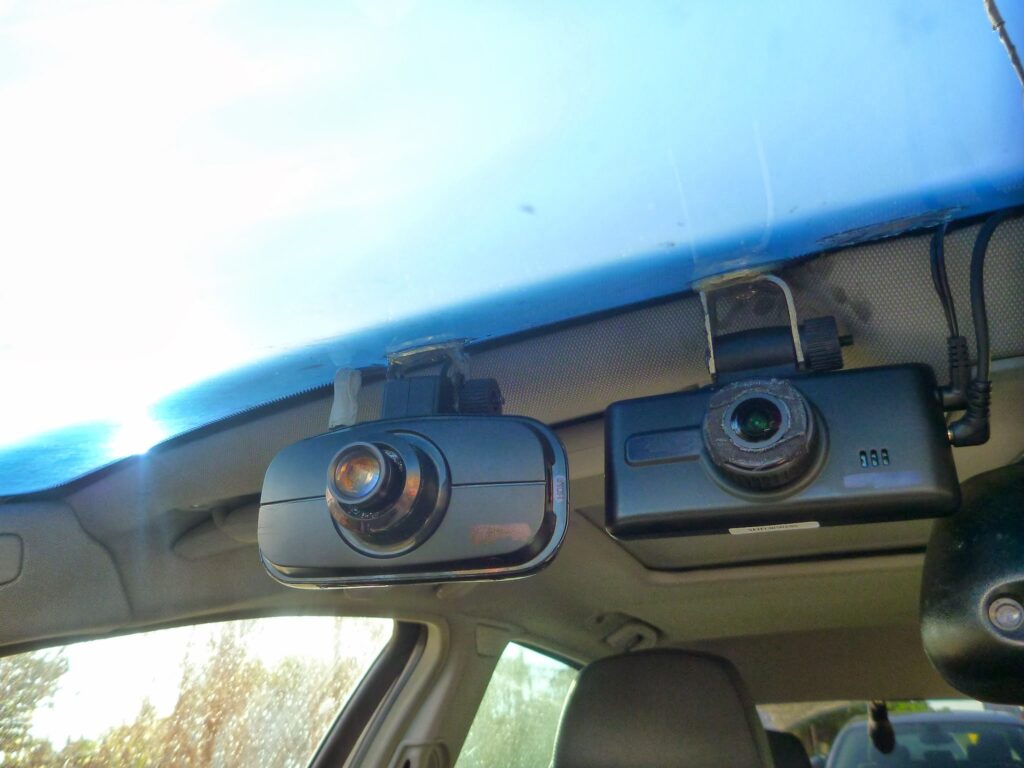
This project focused on building a real-time, low-latency camera pipeline for an automotive zone controller based on the TI Jacinto TDA4 SoC.
The goal was to design a reliable video path—from camera input to display output—optimized for deterministic behavior and minimal frame delay.
I architected and implemented the complete data flow using OpenVX graph frameworks running on Linux (Yocto-based), integrating camera sensor drivers, image signal processing (ISP) pipelines, and display rendering.
The system leveraged both ARM A72 and DSP co-processors to parallelize compute-intensive stages and minimize buffering overhead, enabling real-time performance for high-bandwidth camera applications.
Key Details / Outcomes
Latency Reduction: Achieved ~40% improvement in processing latency over baseline pipeline.
Hardware Acceleration: Utilized OpenVX nodes mapped to DSP and VPAC accelerators for parallel execution.
Optimized Data Flow: Designed memory management and buffer-sharing strategies to eliminate redundant copies.
Scalable Framework: Built modular pipeline architecture adaptable to different camera sensors and resolutions.
Challenges & Learnings
- Managing synchronization across heterogeneous cores (ARM + DSP) within OpenVX graphs.
- Debugging low-level driver issues and tuning DMA buffer queues for deterministic timing.
- Balancing memory footprint against throughput for multi-camera scalability.
- Integrating the optimized pipeline into production Yocto builds for system validation.
Working on real-time embedded vision systems or high-throughput camera pipelines?